












How Did Amritsari Khajoor Become Punjab’s Iconic Sweet Snack?
Introduction: A Sweet That Sounds Like a Fruit but Tastes Like Tradition
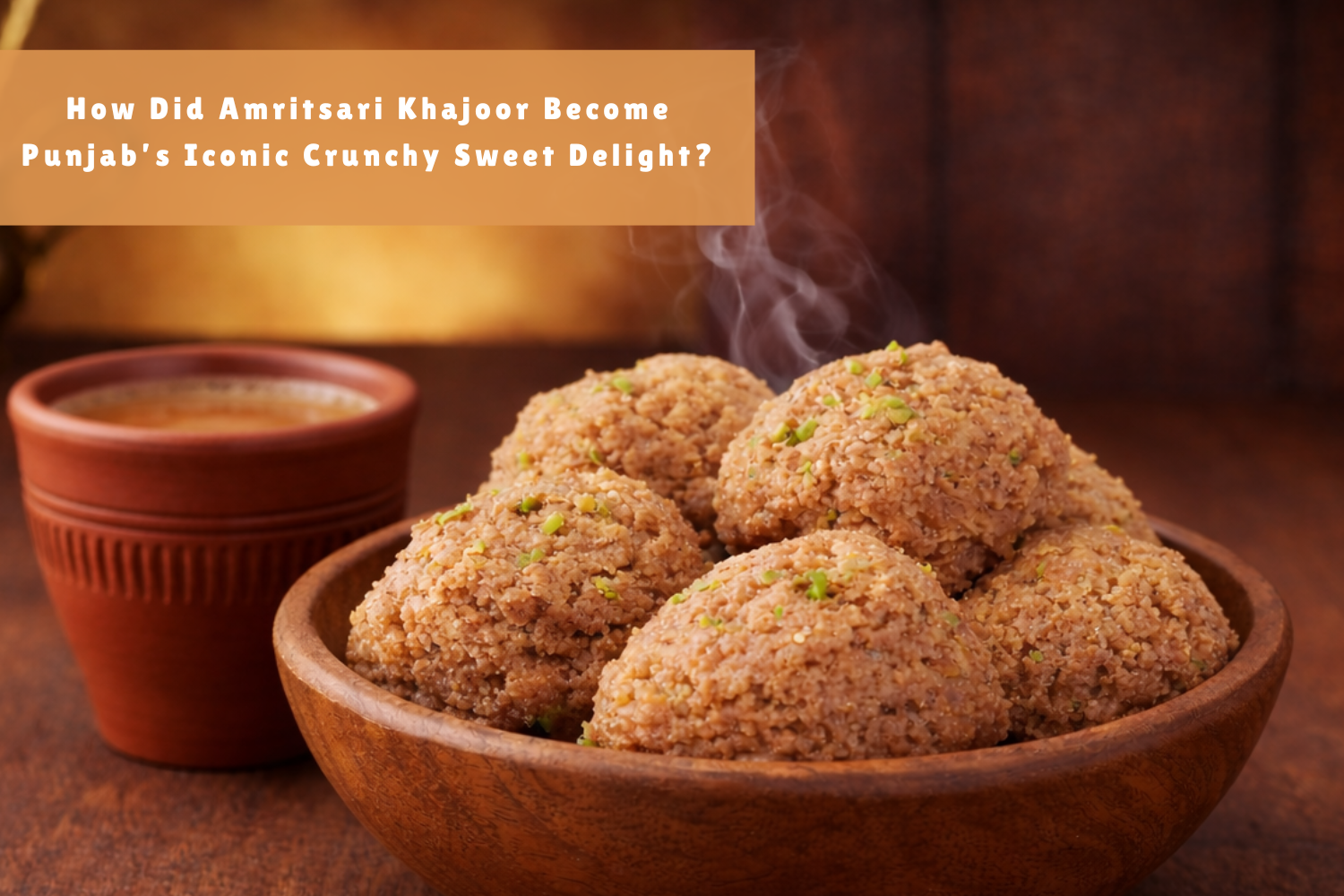
Punjab’s culinary heritage is known for its bold flavors, generous textures, and comforting nostalgia. Among its many treasured treats, Amritsari Khajoor holds a special place. Despite its name, this beloved snack is not a date (khajoor)—but a crisp, deep-fried Punjabi biscuit, golden on the outside, lightly sweet on the inside, and steeped in tradition.
From bustling lanes near the Golden Temple to quiet village kitchens, Amritsari Khajoor has journeyed through generations to become a symbol of Punjabi hospitality, tea-time indulgence, and festive warmth. But how did this humble snack rise to such iconic status? Let’s explore its origins, evolution, and enduring appeal.
The Origins of Amritsari Khajoor: Born in the Holy City
Amritsar, the spiritual and cultural heart of Punjab, has long been a melting pot of devotion, trade, and food traditions. It is here that Amritsari Khajoor first gained prominence—crafted by local halwais and home cooks who valued simplicity, shelf life, and satisfying crunch.
Unlike delicate sweets meant for immediate consumption, Amritsari Khajoor was designed to last. Its dry texture and crisp exterior made it ideal for storing, sharing, and gifting—qualities that helped it travel far beyond Amritsar.
Over time, what began as a local tea-time accompaniment became a snack synonymous with the city itself.
Why Is It Called Khajoor If It’s Not a Date?
One of the most charming mysteries surrounding this snack is its name. The term khajoor traditionally refers to dates, yet Amritsari Khajoor contains none. The name is believed to come from its oval, slightly ridged shape, which resembles a dry date, or from its deep golden-brown color after frying.
In Punjabi culinary culture, such poetic naming is common—where appearance, texture, or symbolism often inspire names more than literal ingredients. Over time, the name stuck, adding to the snack’s curiosity and identity.
Ingredients That Reflect Punjabi Simplicity
Amritsari Khajoor stands as proof that great taste doesn’t require complexity. Its traditional recipe uses a handful of pantry staples:
Refined flour (maida)
Semolina (sooji) for crunch
Desi ghee or oil
Sugar or powdered sweetness
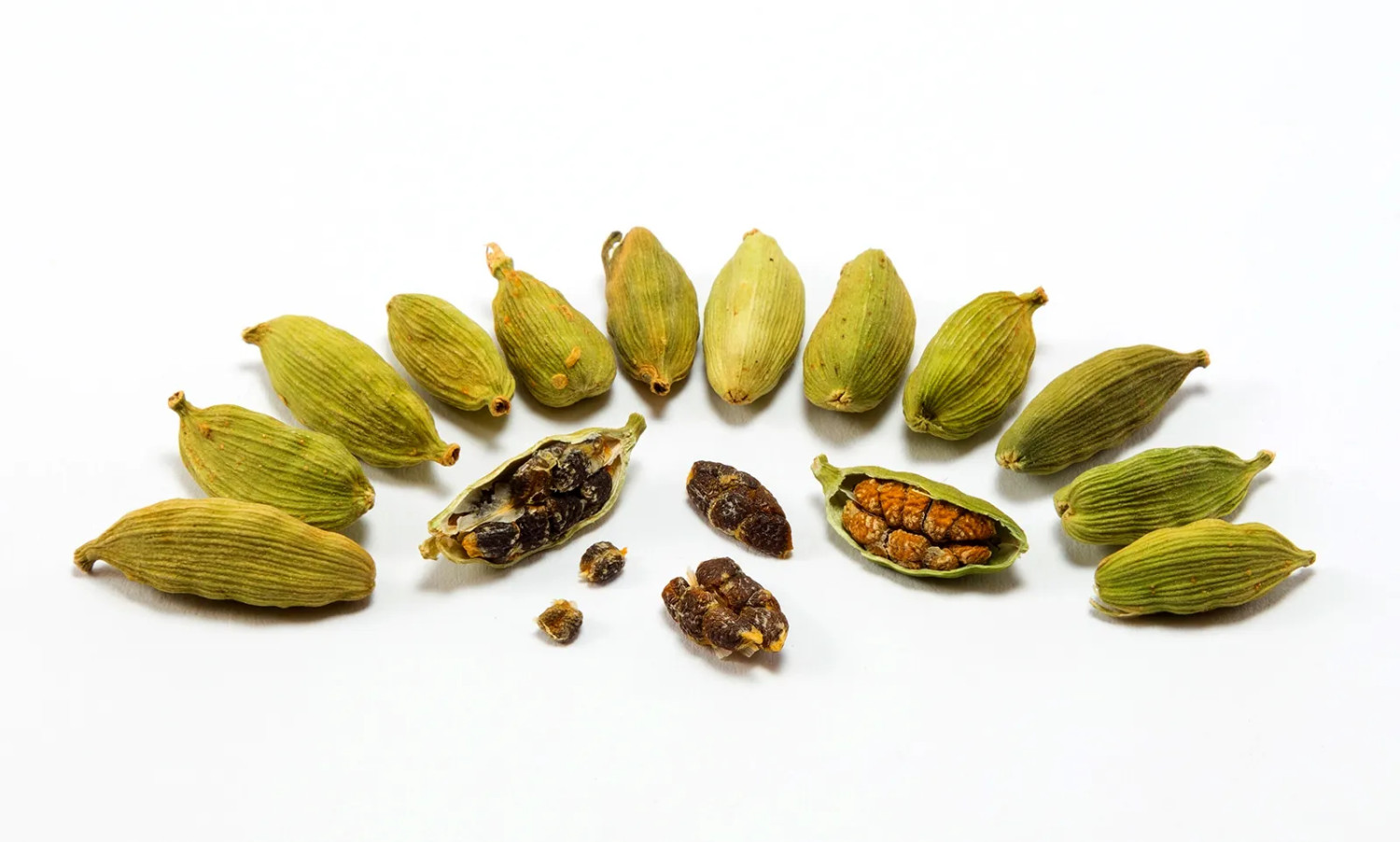
Fennel seeds or cardamom for aroma
The dough is kneaded firm, shaped carefully, and slow-fried to perfection. This method ensures a crisp exterior and a mildly sweet, crumbly center—never greasy, never overly sugary.
The Art of Making Amritsari Khajoor
What truly elevates Amritsari Khajoor is the technique. It is not rushed food. The slow frying process allows the biscuit to cook evenly from within while developing its signature crunch outside.
Traditionally, khajoors are fried on a low flame, requiring patience and skill. This careful preparation is what gives them their long shelf life and satisfying bite—qualities that mass-produced snacks often fail to replicate.
A Tea-Time Classic Across Punjab
In Punjabi households, tea is more than a beverage—it is a ritual. And no tea-time spread feels complete without something crunchy on the side. Amritsari Khajoor fits this role perfectly.
Its mild sweetness balances strong masala chai
Its dry texture keeps hands clean and cups stain-free
Its sturdy crunch makes it filling without heaviness
Whether served to guests, shared with family, or enjoyed in quiet moments, Amritsari Khajoor has become a tea-time essential across Punjab and beyond.
A Snack for Every Occasion
What makes Amritsari Khajoor truly iconic is its versatility. It is enjoyed:
During festivals and religious gatherings
As part of wedding snack boxes
While traveling, due to its excellent shelf life
As a gift from Amritsar, symbolizing warmth and tradition
Its ability to adapt to both everyday moments and special occasions has helped it remain relevant for decades.
How Amritsari Khajoor Became Popular Beyond Punjab
As Punjabi communities migrated across India and abroad, they carried their food traditions with them. Amritsari Khajoor, being non-perishable and easy to transport, naturally became a favorite item to share with relatives and friends.
Sweet shops began stocking it year-round, and demand grew steadily. Today, it is not uncommon to find Amritsari Khajoor in premium dry snack assortments, curated gift hampers, and online gourmet stores.
Amritsari Khajoor vs. Modern Biscuits
In an age dominated by cream-filled cookies and processed snacks, Amritsari Khajoor stands apart:
No artificial flavors
No excessive sweetness
No soft, crumbly mess
Instead, it offers texture, restraint, and authenticity—qualities increasingly valued by conscious consumers seeking traditional alternatives to modern junk food.
Why It Remains Relevant Today
Despite changing food trends, Amritsari Khajoor continues to thrive because it satisfies a deeper craving—not just for taste, but for connection.
It connects:
Generations through shared memories
Cities to villages
Modern homes to traditional kitchens
In every crunchy bite lies a reminder of simpler times, slower cooking, and food made with intention.
Conclusion: A Crunchy Symbol of Punjabi Heritage
Amritsari Khajoor is more than a snack—it is a cultural emblem of Punjab. From its humble beginnings in Amritsar to its place in modern pantries, it has earned its iconic status through flavor, function, and feeling.
Crunchy yet comforting, sweet yet subtle, nostalgic yet timeless—Amritsari Khajoor continues to prove that the most enduring foods are often the simplest ones.
Recent Posts


Mobile Apps


Contact Us
-
Address
Shop No RH 1/01, Chandresh Villa, Adj Royal Bar & Restaurant Main Road , Lodha Heaven, Niljegaon, Dombivli, Maharashtra 421204
-
Phone
9321633042
-
Email
My Account
Follow Us
-
Address
Shop No RH 1/01, Chandresh Villa, Adj Royal Bar & Restaurant Main Road , Lodha Heaven, Niljegaon, Dombivli, Maharashtra 421204
-
Phone
9321633042
-
Email
-
Become A Seller Apply Now
- Login to Seller Panel